Make Minutes Matter: Micro Routines Between Meetings

In this guide, we explore bite-size productivity routines you can do between meetings, turning small pauses into momentum. Expect swift cognitive resets, energizing micro-movements, tiny planning rituals, and speedy communication bursts you can apply today. Test a few, share your favorite in the comments, and shape a workday that feels lighter, focused, and genuinely sustainable.

Cognitive Resets That Clear the Mental Cache

Short, science-backed resets can slash switching costs and restore attention before your next call. In two to three minutes, you can calm your nervous system, refresh your eyes, and re-center priorities, arriving present and prepared rather than scattered, rushed, and reactive. When Maya tested these between two high-stakes reviews, she walked in composed and salvaged a derailing afternoon.

The 90-Second Box Breathing Reset

Close the laptop, inhale for four, hold for four, exhale for four, hold for four, repeating six cycles. Research links slow, diaphragmatic breathing to improved heart-rate variability and reduced stress reactivity. Stand near a window, and finish by naming one intention to anchor your next conversation.

Two-Minute Visual Horizon Scan

Shift your gaze from screen distance to far horizons to relax ciliary muscles and reduce digital eye strain. Follow the 20-20-20 principle, add gentle eye circles, and blink intentionally. People report clearer vision, fewer headaches, and surprising alertness before rejoining a demanding agenda.

Move Fast, Feel Better: Micro-Mobility for Energy

Motion is medicine, and it works surprisingly fast. Brief mobility bursts increase blood flow, counteract desk stiffness, and lift mood without breaking a sweat or your calendar. These options fit into two minutes, require no gear, and deliver an immediate, confidence-boosting energy bump.

Desk-Friendly Mobility Flow

From seated neck nods to thoracic rotations and wrist flossing, string together six slow reps per joint. Breathe steadily, move within pain-free range, and keep shoulders away from ears. Finish standing, roll ankles, and notice posture rebounding as your brain receives a refreshed proprioceptive signal.

Stair Sprint or Hallway Power Walk

Climb one to three flights at conversational pace or power-walk a corridor while swinging arms. Even two vigorous minutes improve circulation and executive function. Add a final exhale-focused breath at the door, and arrive with color in your cheeks and thoughts moving crisply.

Inbox Lightning Rounds Without the Spiral

Email expands to fill any gap unless you constrain it. Use short, intentional sprints to harvest quick wins without reopening heavy threads. With tight limits, you will reduce decision fatigue, keep context intact, and reenter meetings with a tidy queue and calmer mind. Ravi, a product manager, credits this cadence with cutting his daily inbox time by nearly a third while missing nothing critical.

The 5-Email Sweep

Set a two-minute timer. Touch exactly five messages using a ruthless triage: delete, archive, delegate, or reply under sixty seconds. If a message needs more, schedule a block and move on. You will feel momentum without falling into the endless refresh loop.

Voice Drafts for Faster Replies

Open your phone’s recorder or dictation feature and speak a concise, courteous response while standing. Verbal drafting bypasses keyboard friction and captures tone. Clean it up quickly, send, and step away. Many professionals regain five to ten minutes each hour using this method.

Canned Responses and Smart Signatures

Create templates for common answers and save quick links in your signature. Name snippets with predictable prefixes so search is instant. In two spare minutes, update one template, test it once, and enjoy the compounding relief whenever similar requests land again.

Plan in Pebbles: Micro-Prioritization that Sticks

Big plans stall under pressure; tiny decisions move. Between commitments, zoom out just enough to anchor the next visible step and guard your attention. These lightweight practices cut indecision, surface trade-offs, and create reliable traction without adding another bloated planning ritual.

The One-Line Outcome

Grab a note and write one sentence describing what success looks like by the end of the next meeting or hour. If it feels vague, sharpen the verb. This single line directs energy, quiets FOMO, and makes later scheduling obvious.

10-10-10 Alignment

Consider consequences in three horizons: ten minutes, ten hours, ten days. Choose the smallest action that improves all three, or at least does no harm. This fast framing prevents reactive overcommitting and nudges you toward options that compound quietly but meaningfully.

Mini Kanban Refresh

Open your board and move exactly three cards: start one, advance one, and stop one. Limit work in progress by hiding or pausing competing tasks. This tiny recalibration frees cognitive bandwidth and makes your next micro-step unmistakably clear when the meeting ends.

Learning in Sips: Tiny Skill Gains

Momentum grows when curiosity gets a turn. Micro-learning between calls keeps your brain fresh, sparks ideas, and compounds into real mastery over months. Keep it playful, measurable, and captured somewhere retrievable so today’s insight quietly accelerates tomorrow’s project without extra meetings. If one micro-lesson resonates, reply with your favorite resource and subscribe for weekly prompts you can complete before your next alert.

Energy Hygiene: Hydration, Light, and Environment
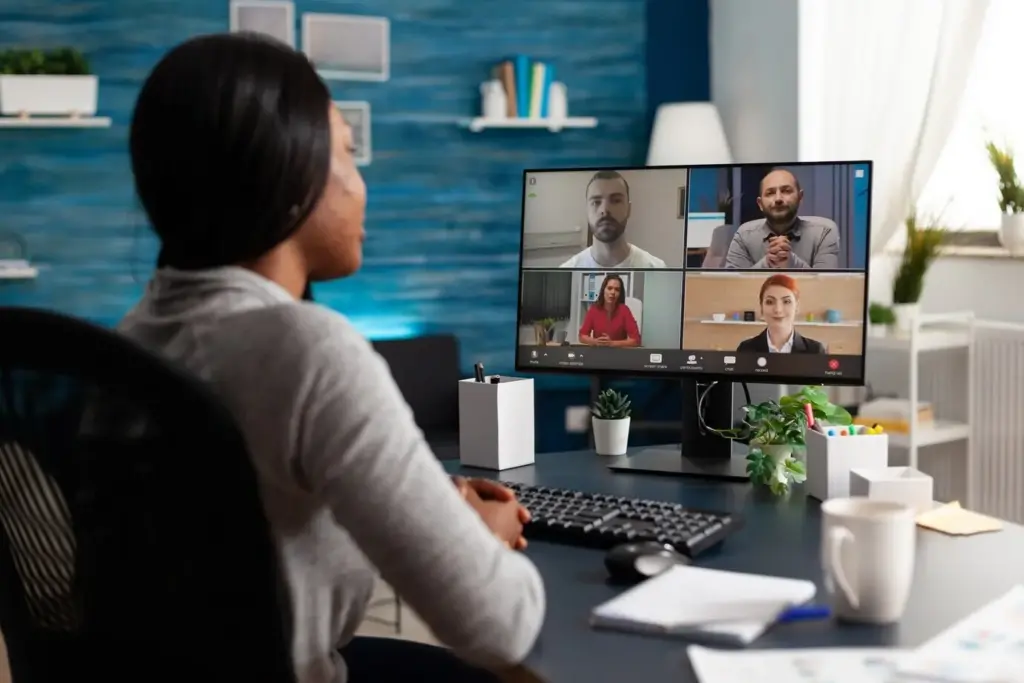
Your brain runs on oxygen, water, and cues from light and order. Tiny adjustments refresh mood and sharpen thinking faster than another coffee. Treat your workspace like a cockpit, reset controls between takeoffs, and watch reliability rise across afternoons once spent fighting fatigue.
Kizuzutilunetuke
Privacy Overview

This website uses cookies so that we can provide you with the best user experience possible. Cookie information is stored in your browser and performs functions such as recognising you when you return to our website and helping our team to understand which sections of the website you find most interesting and useful.